
Workout Recovery Nutrition Essentials
Discover the science-backed strategies for optimal post-workout recovery through proper nutrition timing, macronutrient balance, and targeted supplementation protocols.
Why Recovery Nutrition Matters
- Muscle Protein Synthesis: Post-workout nutrition triggers the biological processes that rebuild and strengthen muscle tissue after training stress.
- Glycogen Replenishment: Carbohydrates consumed post-exercise restore depleted energy stores and enhance recovery speed for your next session.
- Inflammation Management: Targeted micronutrients help regulate the inflammatory response, reducing delayed-onset muscle soreness and discomfort.
- Adaptation Response: Proper nutrition supports hormonal balance and training adaptations that lead to measurable improvements in strength and endurance.

Core Recovery Nutrition Features
Six essential elements that define effective post-workout nutrition strategies for athletes and fitness enthusiasts.
Nutrient Timing Protocol
Consuming protein and carbohydrates within 30-60 minutes after exercise maximizes muscle adaptation. Research shows this window activates key pathways for protein synthesis and glycogen restoration, making timing as important as portion size.
Macronutrient Ratios
Optimal recovery uses a 3:1 or 4:1 carbohydrate-to-protein ratio. This proportion supports efficient glycogen repletion while providing amino acids for muscle repair, supporting both immediate recovery and long-term training adaptations.
Hydration Strategy
Rehydration replaces fluids lost through perspiration and restores electrolyte balance. Consuming 150% of lost body weight in fluids over 4-6 hours after exercise, including sodium, enhances fluid retention and performance readiness.
Whole Food Foundation
Unprocessed foods like chicken, eggs, oats, and sweet potatoes deliver micronutrients alongside macronutrients. These supporting vitamins and minerals enhance nutrient absorption and support immune function during recovery phases.
Antioxidant Support
Colourful fruits and vegetables rich in polyphenols and vitamins help manage exercise-induced oxidative stress. Berries, leafy greens, and beetroot support the body's natural antioxidant defences during recovery.
Individual Customisation
Recovery nutrition varies by training intensity, body composition, and fitness goals. Personalised approaches account for workout duration, exercise type, and individual metabolic responses for optimised results.
The Recovery Nutrition Framework
A systematic approach to post-workout nutrition that combines scientific principles with practical implementation strategies.
Immediate Window
Within 15-30 minutes post-exercise, consume easily digestible carbohydrates and protein. Quick-absorbing options like fruit with yogurt or a protein shake initiate glycogen restoration and muscle protein synthesis immediately.
Primary Recovery Meal
30-60 minutes after exercise, consume a balanced meal with whole-food proteins, complex carbohydrates, healthy fats, and vegetables. This sustains the recovery process and provides sustained nutrient delivery for hours.
Hydration Protocol
Throughout recovery, drink water with electrolytes to restore fluid balance. Spread rehydration over 4-6 hours rather than consuming large volumes immediately, improving fluid retention and supporting cellular function.
Extended Support
For the next 24 hours, maintain consistent protein and carbohydrate intake throughout meals. This sustained approach supports complete tissue repair, immune function restoration, and preparation for subsequent training sessions.
Recovery Nutrition Plans Overview
Explore our comprehensive nutrition frameworks designed for different training styles and recovery objectives.
Strength Training Recovery
Optimised for heavy resistance training and hypertrophy-focused workouts. Emphasises higher protein intake with strategic carbohydrate timing to support muscle protein synthesis and strength gains.
Learn moreEndurance Sport Recovery
Designed for long-duration activities like running, cycling, and swimming. Prioritises rapid glycogen restoration and includes antioxidant-rich foods to manage sustained exercise stress.
Learn moreMixed Modal Recovery
Balanced approach for CrossFit, circuit training, and hybrid workouts combining strength and conditioning. Supports both power development and aerobic capacity restoration.
Learn moreMacronutrient Timing Strategy
Understanding how to structure protein, carbohydrates, and fats throughout your recovery window for maximum benefit.
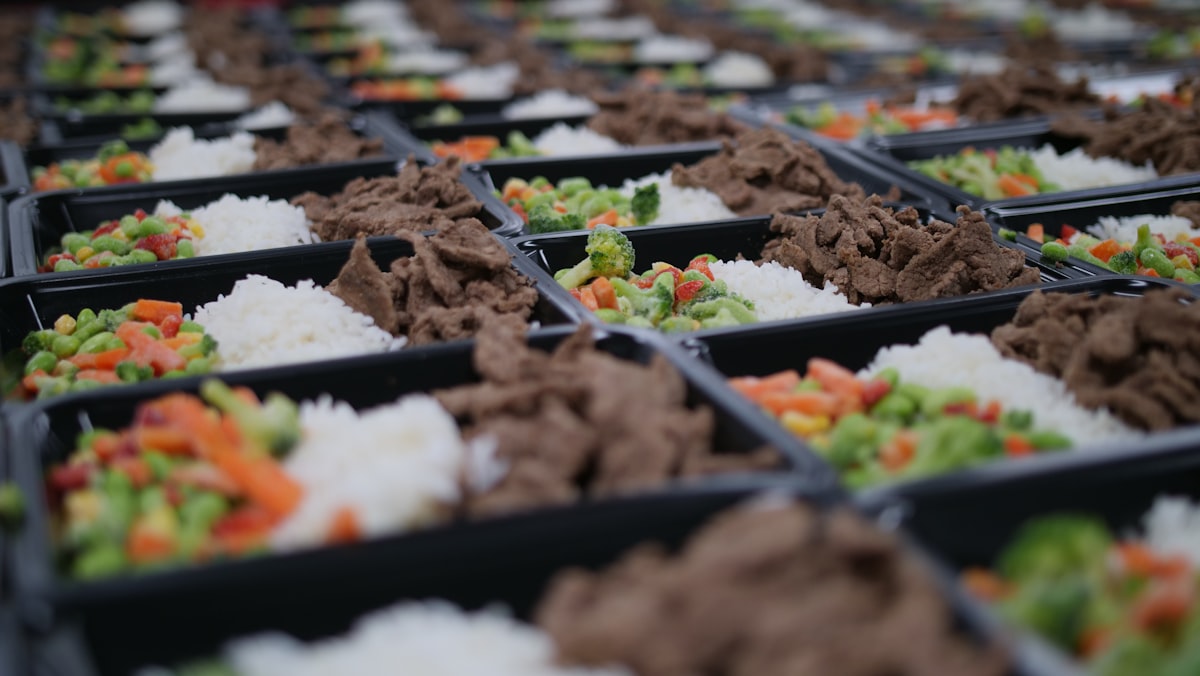
Immediate Post-Workout Phase (0-30 minutes)
Protein: 20-30g
Fast-absorbing sources like whey protein powder, Greek yogurt, or egg whites initiate muscle protein synthesis within minutes of consumption.
Carbohydrates: 40-80g
Simple carbs like bananas, white rice, or dextrose provide rapid glucose for immediate glycogen restoration and insulin spike to facilitate nutrient uptake.
Fat: Minimal
Keep fat intake low during this window as it slows gastric emptying and nutrient absorption when rapid delivery is the priority.
Secondary Phase (1-4 hours)
Balanced Whole Food Meal
Grilled chicken with sweet potato and vegetables provides sustained protein delivery, complex carbohydrates for complete glycogen repletion, and micronutrients for tissue repair and immune support.
Recovery Nutrition by Training Type
Different training modalities create distinct recovery demands. Tailor your nutrition approach to your specific workout style.
| Training Type | Primary Focus | Protein Target | Carb Target | Key Micronutrients |
|---|---|---|---|---|
| Strength Training | Muscle protein synthesis | 30-40g | 40-60g | Zinc, Magnesium, Vitamin D |
| Endurance Running | Glycogen replenishment | 15-20g | 80-120g | Iron, Potassium, Antioxidants |
| High-Intensity Intervals | Mixed synthesis & glycogen | 25-35g | 60-90g | Electrolytes, Vitamin C |
| Yoga & Flexibility | Gentle recovery support | 15-20g | 30-40g | Antioxidants, Calcium |
| Team Sports | Complete restoration | 25-35g | 70-100g | Sodium, Potassium, B-Vitamins |
Food Combinations for Optimal Recovery
Practical meal examples that combine the right nutrients in the right ratios for different recovery scenarios.
Quick Recovery Shake
- 30g whey protein powder
- 1 large banana
- 200ml almond milk
- 1 tablespoon honey
Timing: 0-15 minutes post-exercise
Protein: 30g | Carbs: 50g | Perfect for: All training types
Strength Training Meal
- 200g grilled chicken breast
- 300g sweet potato
- 2 cups mixed vegetables
- 15ml olive oil for cooking
Timing: 30-60 minutes post-exercise
Protein: 50g | Carbs: 70g | Perfect for: Resistance training
Endurance Recovery Bowl
- 150g brown rice
- 150g baked salmon
- 1 cup berries and leafy greens
- Pinch of sea salt
Timing: 60-90 minutes post-exercise
Protein: 35g | Carbs: 90g | Perfect for: Endurance activities
Pre-Workout Power Bowl
Energy-dense meal designed to fuel your practice without heaviness.
- 1/2 cup oatmeal with almond milk
- 1 banana and 1 tbsp almond butter
- 1 tbsp raw honey
- Pinch of cinnamon
Timing: 45-60 minutes before practice
Carbs: 55g | Protein: 12g | Perfect for: Vinyasa & Power Yoga
What Our Practitioners Say
"These recipes transformed my energy levels during practice. I no longer feel sluggish or overstuffed. The timing guidance is invaluable!"
— Priya M., Yoga Instructor
"As someone balancing yoga with strength training, these macro-balanced meals help me recover properly and maintain focus. Highly recommend!"
— Arjun K., Fitness Enthusiast
Frequently Asked Questions
Can I eat these meals if I'm vegetarian or vegan?
Absolutely! All recipes provided are plant-based. Substitute protein powder with hemp or pea protein, and use plant-based milk alternatives as needed.
How do I adjust portions for my body type?
Start with the base recipes and monitor your energy levels. Increase carbs by 10-15g if you feel fatigued; reduce if you feel heavy. Listen to your body's feedback.
What if I have food allergies?
All recipes can be customized. Replace nuts with seeds, grains with alternatives, and berries with other fruits. Consult a nutritionist for personalized guidance.
How soon will I notice improvements?
Most practitioners experience noticeable energy and endurance improvements within 2-3 weeks of consistent meal timing. Sustainability is key!
Ready to Fuel Your Practice?
Join thousands of yogis and athletes optimizing their nutrition with Yogadietyogapath. Get personalized meal plans and ongoing support.
No credit card required • Free 7-day trial • Cancel anytime